For years, buying cryptocurrency meant sitting at a screen. That’s changing. A growing number of people now prefer to handle it face-to-face, at a machine they can walk up to. Here’s what’s behind the shift.
The growing mainstream interest in digital assets
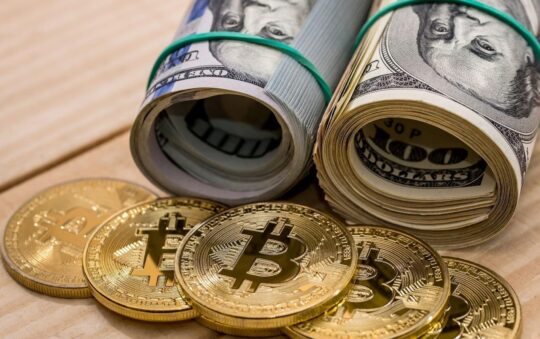
Crypto has quietly become part of ordinary financial life. Where it was once a niche pursuit debated on forums, it now surfaces in news bulletins, workplace chatter, and family group chats. Pew Research Center reports that around 19% of U.S. adults have invested in, traded, or used cryptocurrency, a figure that has crept upward since 2021. When something stops feeling exotic, more people are willing to give it a try, and that widening comfort has created a market for simpler ways in.
Why accessibility is influencing adoption
History suggests that technologies win when they stop being a chore. If a tool demands too many steps, most people abandon it partway through. Online exchanges illustrate the problem well: registering an account, tying it to a bank, and waiting out verification can deter anyone testing the waters for the first time. Strip away that friction, and hesitation often turns into action. Ease of entry, more than any single feature, tends to decide who participates and who walks away.
The appeal of in-person access
Not everyone wants their financial life routed entirely through apps and logins. A physical kiosk offers something reassuringly concrete: hand over cash, follow the prompts, and finish the purchase then and there, no bank details required. That directness draws people who value speed and independence. Interest has translated into real infrastructure, too: Statista figures place the United States well ahead of every other country in the number of ATMs installed. For a first purchase, a Bitcoin ATM turns physical money into digital currency and delivers it to a personal wallet on the spot.
Understanding the benefits and limitations
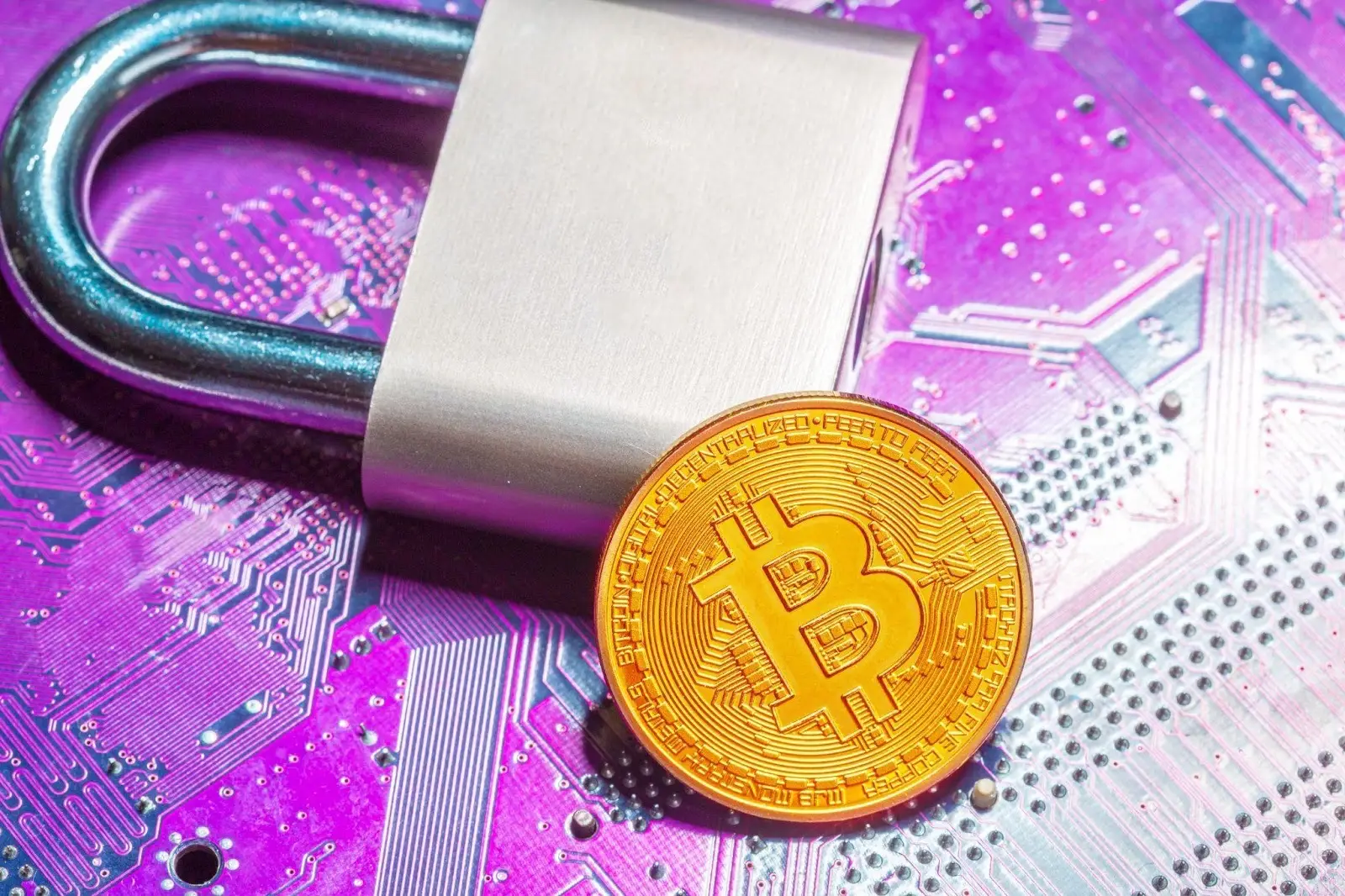
Speed and simplicity are the obvious draws, but they shouldn’t switch off your judgement. Kiosks frequently cost more than online routes, so it’s worth reading the fees shown on screen, noting any caps on how much you can buy, and checking your wallet address twice before you confirm. A clear-eyed view of both sides, what you gain and what you pay for it, puts you in a better position to decide.
What the future could look like
As cryptocurrency settles further into everyday spending and saving, easy points of entry seem set to remain central. A combination of rising familiarity, firmer regulation, and an enduring appetite for convenience suggests walk-up services aren’t a passing novelty.
Their popularity comes down to one thing: they make an intimidating subject feel manageable. Learn the mechanics, factor in the costs, and keep your wits about you, and that convenience can work firmly in your favor.